
Comprehensive OSHA-Compliant Solutions
At VITOK, we know that workplace safety is more than a regulatory requirement—it’s essential to your operations, your workforce, and your reputation. Falls remain one of the leading causes of serious work-related injuries and deaths in industrial and commercial settings. Properly designed and implemented fall protection systems save lives, reduce liability, and deliver peace of mind for employers and employees alike.
Our Fall Protection (Structural Safety Solutions) team offers decades of experience in structural and safety engineering. We deliver custom, client-focused solutions that meet or exceed OSHA requirements, providing you with robust protection and regulatory confidence with a cost-conscious solution—no matter your facility’s size, layout, or operational complexity.
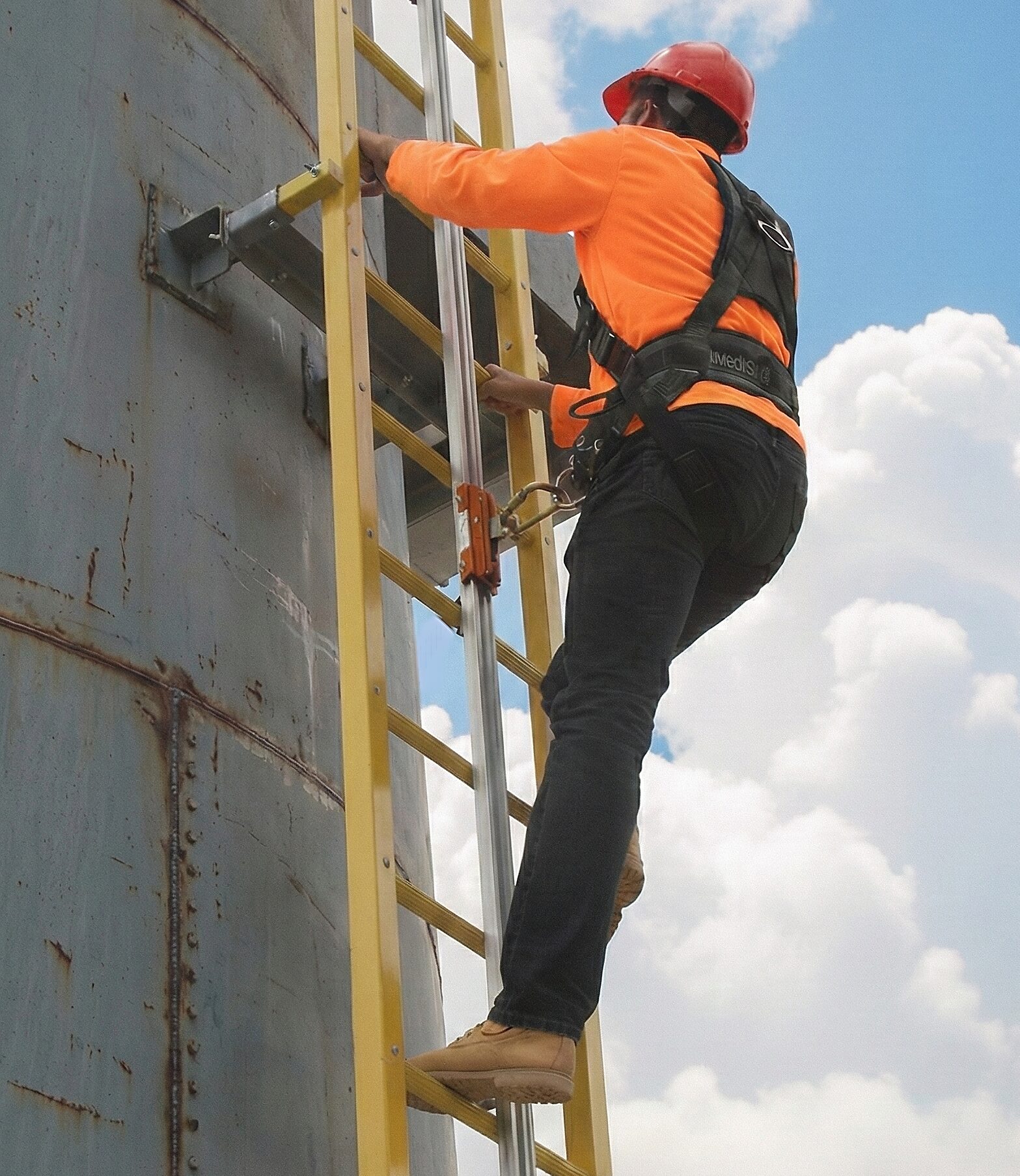
Which OSHA codes speak to fall protection?
What the Standard Covers
OSHA’s fall protection standards for general industry are found in 29 CFR 1910 Subpart D (Walking-Working Surfaces) and Subpart I (Personal Protective Equipment). These regulations define when and how employers must provide guardrails, safety harnesses, fall restraint systems, and personal fall arrest systems to prevent injuries and fatalities from falls.
Key Sections
- § 1910.28 — Duty to have fall protection and falling-object protection
- § 1910.29 — Fall protection systems and falling object protection — criteria and practices
- § 1910.30 — Training requirements for fall-hazard protection
- § 1910.140 — Personal fall protection systems (PFAS)
Key Requirements and Concepts
When Fall Protection Is Required
- In general industry, when an employee is on a walking-working surface with an unprotected side or edge 4 feet (1.2 m) or more above a lower level, then fall protection must be provided.
- Also, when there are holes, open edges, or dangerous equipment below: for example, if an employee is above “dangerous equipment” 4 ft or more, fall protection applies.
- There are some special conditions (for example, very low-height pits) where the fall-protection requirement is modified.
Types of Acceptable Fall Protection Systems
Under §1910.28(b)(1)(i), employers must ensure one or more of the following systems are used: guardrail systems, safety net systems, or personal fall protection systems. Guardrails and toeboards must meet the detailed OSHA guardrail requirements, and all personal fall arrest systems must meet strict criteria for harness strength, anchorage, lanyard compatibility, and inspection frequency. These rules also apply to fixed ladders and loading dock fall protection applications.
System Performance & Criteria
- Maximum arresting force on the employee must not exceed 1,800 pounds (8 kN). (§1910.140(d)(1))
- Deceleration distance must be limited to 3.5 feet (1.1 m).
- Free fall distance must not exceed 6 feet (1.8 m).
- Anchors and components must be used only for fall protection, not material handling. (§1910.140(c)(16))
- The top rail of a guardrail system should be approximately 42 inches above the working surface (±3 in). (§1910.29(b))
Training Requirements
Under §1910.30, every employee exposed to fall hazards or who uses personal fall protection systems must be trained before initial use. Training covers hazard recognition, correct equipment use, inspection, maintenance, and anchorage procedures. Retraining is required if workplace conditions, equipment, or employee performance indicate the need.
VITOK Fall Protection Solutions
Our solutions span a wide range of facility types, environments, and applications:
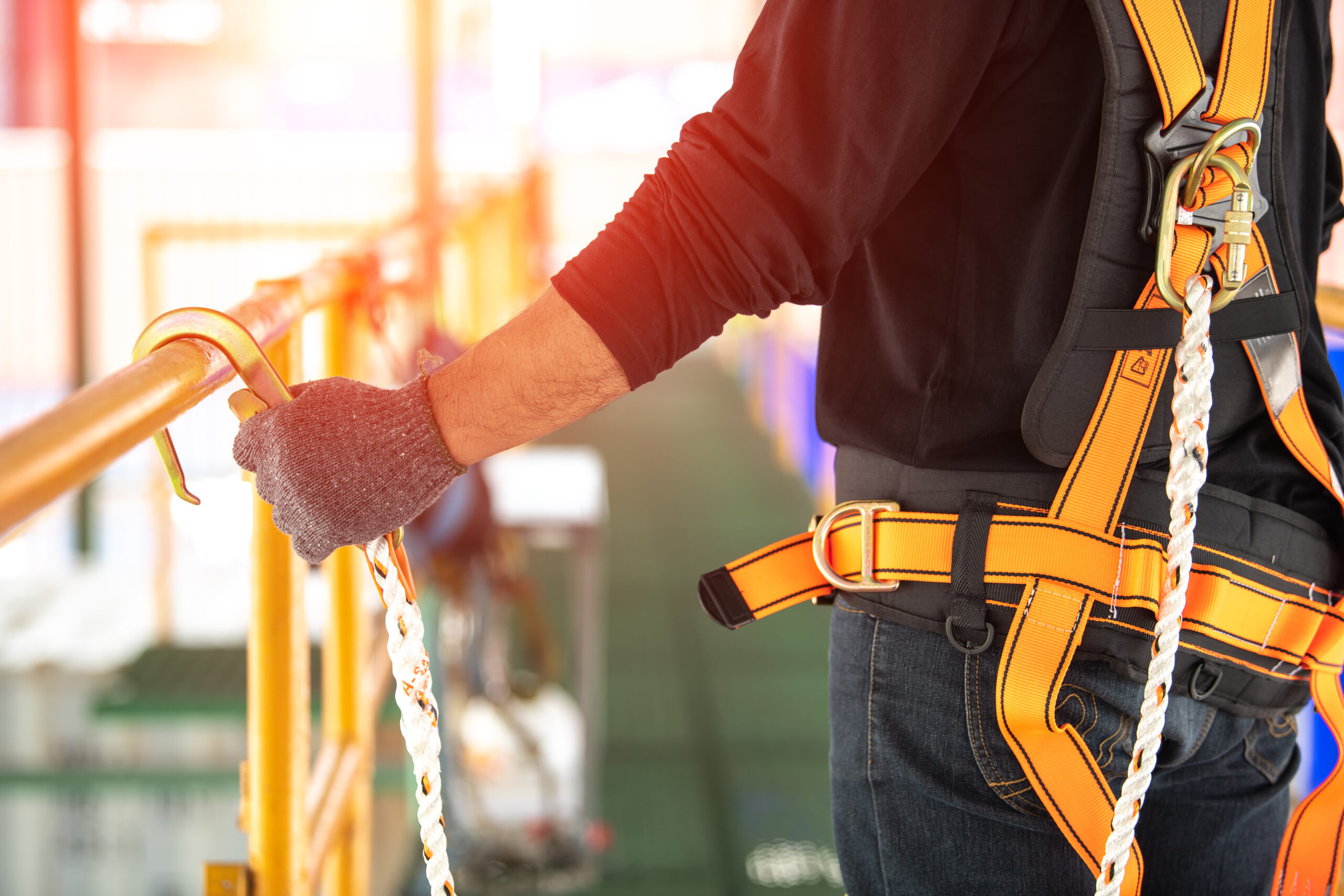
Guardrail Systems and OSHA Guardrail Requirements
Permanent or temporary, guardrail systems are a foundational element of workplace safety and a primary compliance feature for both OSHA 1910 and 1926.502. We design, specify, and oversee the installation of OSHA-compliant guardrails—ensuring the correct height, strength, and configuration for every situation (walkways, mezzanines, platforms, rooftops, and more). VITOK guardrail systems are engineered to resist required forces and meet OSHA guardrail requirements for opening size, toe boards, and anchorage.
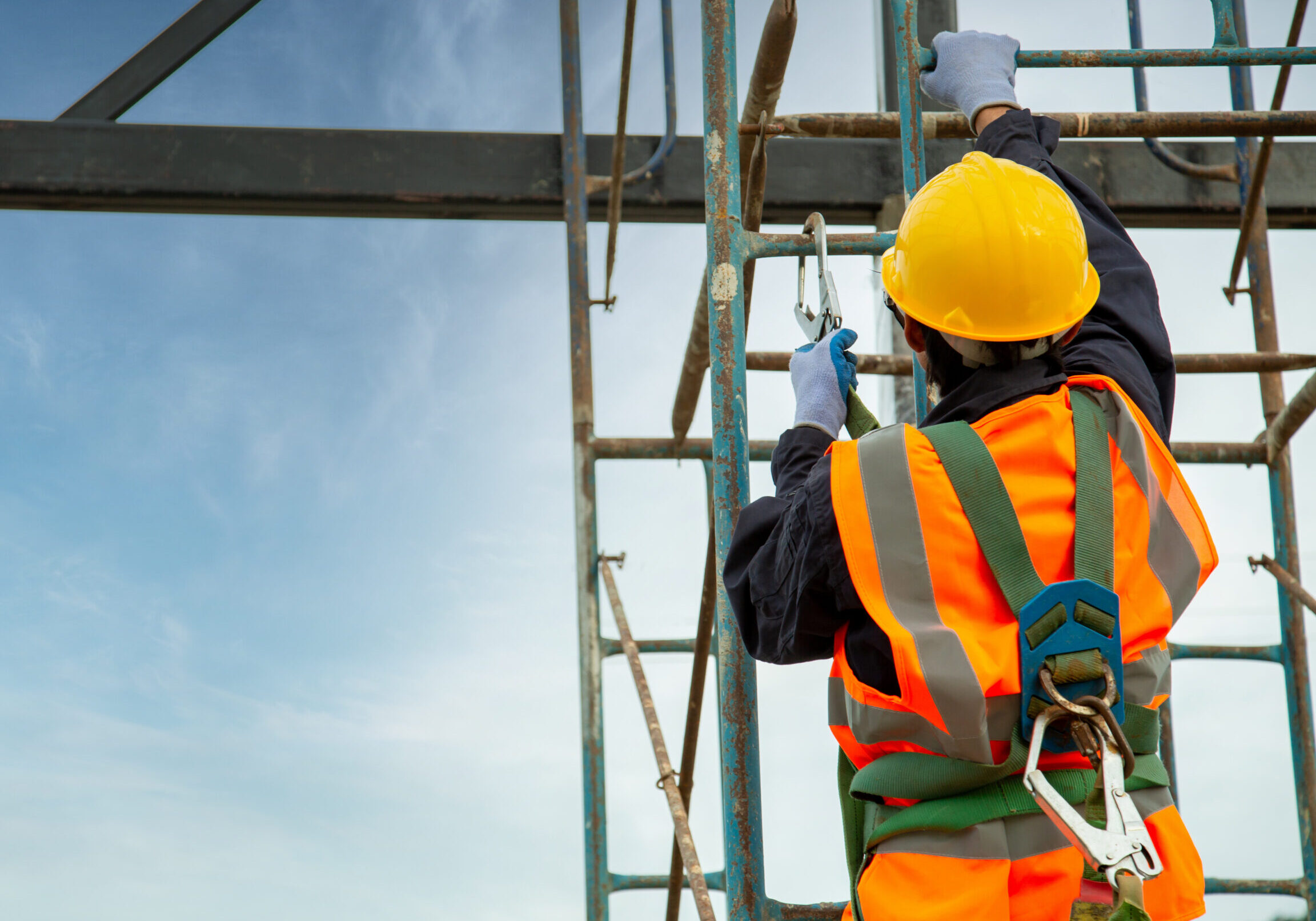
OSHA Safety Harness and Fall Restraint Solutions
While fall arrest systems are designed to stop a fall in progress, fall restraint systems prevent the worker from reaching a potential fall hazard in the first place. VITOK evaluates every workspace for the most appropriate approach and, where possible, designs fall restraint systems that satisfy and exceed OSHA fall restraint system requirements. Our engineering team integrates restraint anchorage points, horizontal lifelines, and work positioning devices to give workers confidence and reduce risk.
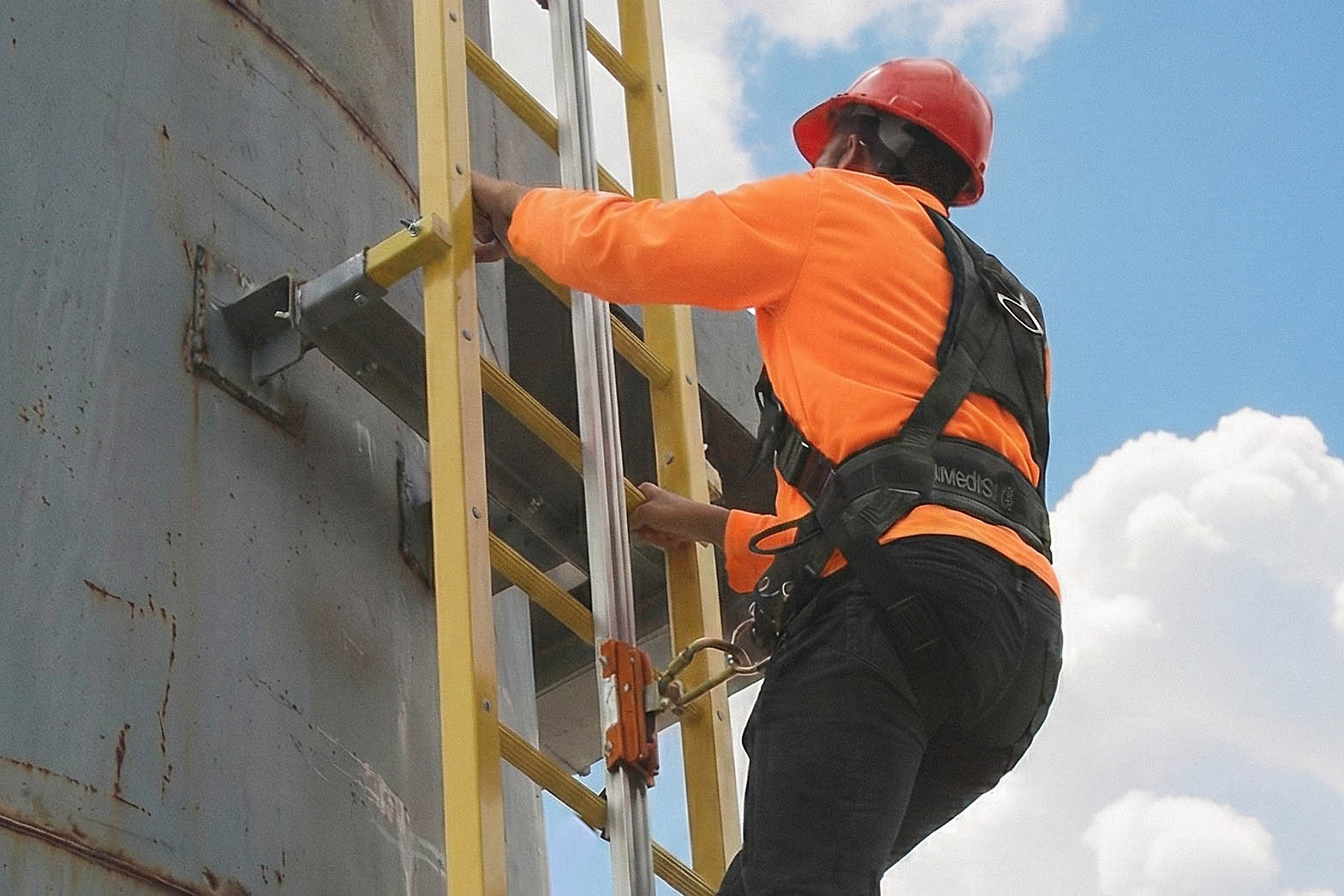
Personal Fall Arrest Systems for Fixed Ladders
The modern workplace often includes vertical access, such as fixed ladders for reaching elevated platforms, roofs, and equipment. Under the latest OSHA rules, cages and wells are no longer deemed adequate fall protection after phase-out dates. VITOK provides personal fall arrest system (PFAS) solutions for fixed ladders, including vertical lifeline and ladder safety systems designed and anchored per OSHA and ANSI standards. We analyze the structure, confirm load capacity, and specify the right system so your employees are always protected.

Loading Dock Fall Protection
Industrial loading docks are high-traffic zones for both personnel and vehicles, making them a common site for accidents. VITOK specializes in loading dock fall protection, designing guardrails, gates, removable barriers, and visual warning system solutions that conform to OSHA and site-specific requirements. Our experience ensures seamless integration—protecting employees during all stages of warehouse and dock operation, including loading/unloading, maintenance, and equipment setup.
Our Process: Custom-Tailored Fall Protection Engineering
1. Site Assessment and Hazard Analysis
Every VITOK fall protection project starts with an expert site visit and risk assessment. We:
- Identify all hazardous areas (edges, ladders, mezzanines, platforms, open hatches, loading docks, and more)
- Inventory existing fall prevention and arrest systems for compliance gaps
- Consult with facility safety managers, maintenance teams, and line workers for operational insights
2. Solution Design and Engineering
No two hazards—or facilities—are the same. Our engineers use advanced modeling tools and decades of practical experience to:
- Select and specify engineered solutions appropriate for each hazard
- Ensure all elements meet or exceed OSHA requirements and your own internal safety standards
- Deliver detailed drawings and calculations suitable for fabrication drawings, construction, and regulatory review
3. Fabrication, Installation Oversight, and System Integration
VITOK partners with trusted fabricators and installers. Our project managers remain involved from concept to completion, ensuring:
- Systems are installed as designed, with no field modifications that impact safety or compliance
- Critical elements like anchor points, guardrails, platforms, and PFAS are tested and documented per OSHA and manufacturer guidance
4. Employee Training and Ongoing Compliance
No fall protection system is complete without appropriate user training and documentation. VITOK provides:
- Hands-on training for employees in PPE use, restraint/arrest system procedures, and inspection protocols
- Support in developing maintenance and recordkeeping plans
- Periodic re-evaluations to address changes in process, personnel, or regulations
Why Choose VITOK for Fall Protection Guidance
Our reputation is built on integrity, engineering excellence, and a relentless commitment to client safety. When you partner with VITOK, you receive:
- Decades of expertise in both structural engineering and workplace safety
- Practical, site-appropriate solutions with overall project cost in mind—not one-size-fits-all
- Absolute attention to regulatory details: we stay up to date on the latest changes to standards like OSHA 1910, 1926.502, and more
- Transparent, collaborative communication at every project stage
We’ve protected manufacturing plants, warehouses, distilleries, chemical facilities, and dozens of other workplaces across the US—earning the trust of facility managers, EHS professionals, and construction partners.
Contact Us for a Tailored Fall Protection Solution
Ready to upgrade your facility’s fall protection? Concerned about recent OSHA guidance, facility audits, or insurance requirements? VITOK delivers the know-how you need for hazard assessment, compliant design, and project success.
Reach out today to discuss your challenges—we’ll show you the safest way forward.