
Expert Compliance, Safety, and Engineering from VITOK
VITOK provides thorough pressure relief system design tailored to your facility’s needs. Our team evaluates your equipment and processes, performs detailed overpressure and relief load calculations, and selects, sizes, and documents relief valves and devices to meet regulatory and safety standards. We address gaps in legacy systems, ensure full compliance with codes like ASME and API, and deliver clear, audit-ready documentation. VITOK offers practical solutions and hands-on engineering support for new builds, expansions, upgrades, and compliance reviews.
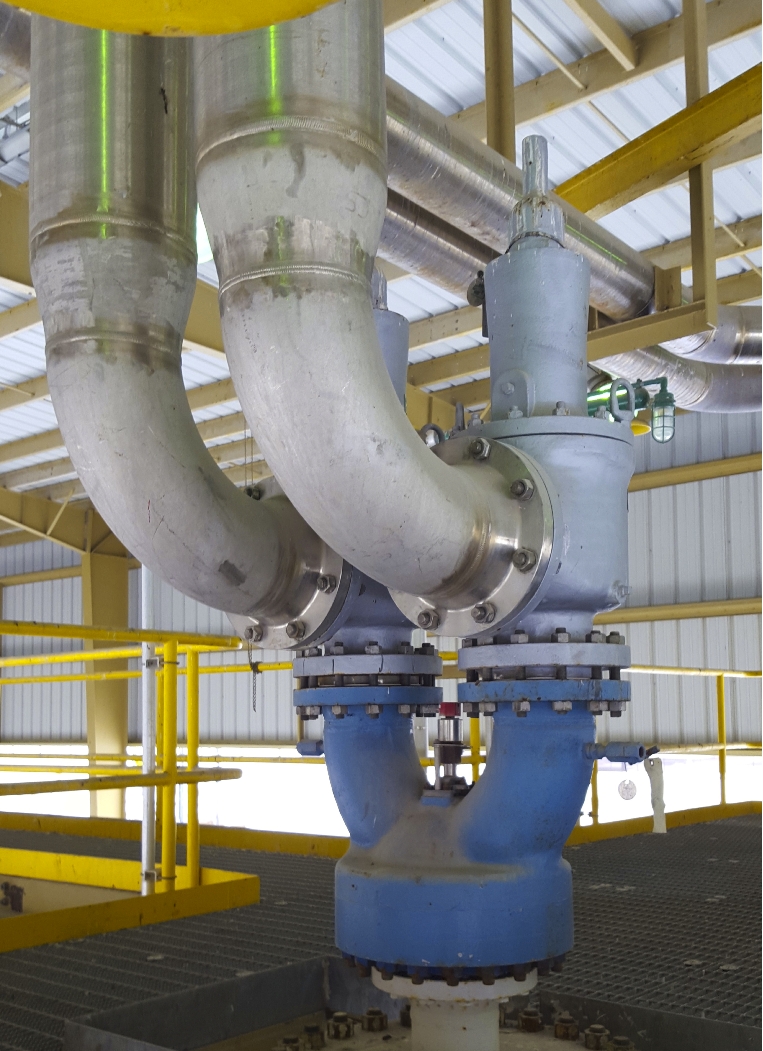
What are Pressure Relief Systems?
A pressure relief system is a network of hardware and controls engineered to prevent overpressure events in process equipment and pipelines, which could otherwise result in equipment damage, hazardous releases, or catastrophic failure. The core of any effective system is the correct selection, sizing, and installation of relief valves, rupture discs, vent lines, and safety controls tailored to your process and regulatory requirements.
Key Components Include:
- Relief valves (pressure safety valves, vacuum relief valves)
- Rupture discs
- Conservation vents, emergency vents, explosion vents
- Relief device inlet and outlet piping
- Instrumentation and alarms
- Associated documentation and calculation reports
Industry Standards: Pressure relief systems are governed by a range of international and national codes and standards—including:
- OSHA Process Safety Management (PSM)
- API (American Petroleum Institute) codes
- ASME (American Society of Mechanical Engineers)
- NFPA (National Fire Protection Association)
- Company-specific and regional regulatory frameworks
Why Are Pressure Relief Systems Critical?
Overpressure events can occur due to process upsets, operator error, equipment failure, unexpected chemical reactions, and environmental anomalies like a fire. The absence of properly designed and maintained pressure relief systems is a common factor in major industrial accidents, resulting in loss of life, financial penalties, and significant downtime.
How Does VITOK Support Your Pressure Relief System Needs?
Holistic System Assessments
VITOK begins each project by gaining a nuanced understanding of your facility, equipment, and process operations. Our engineers perform field verification, document reviews, and interviews with your team to build an accurate process picture. We identify:
- All equipment requiring protection from overpressure
- Existing relief devices and their condition
- Applicable codes, standards, and insurance or client requirements
- Gaps in documentation, calculations, or compliance
Expert Sizing, Selection, and Design
With decades of experience in relief system design, VITOK applies state-of-the-art methods to:
- Calculate credible overpressure scenarios and required relief loads (overpressure analysis)
- Select the proper type, size, and material for relief valves and rupture discs according to API, ASME, and process-specific standards
- Specify inlet and outlet piping configurations to prevent pressure drop or discharge hazards
- Include flame arresters, conservation vents, or explosion vents where needed for special service conditions
Every design is documented in clear, compliant calculation reports and system diagrams. When required, we integrate relief system design directly with your Process Flow Diagrams (PFDs) and Piping & Instrumentation Diagrams (P&IDs).
Documentation, Compliance, and Traceability
A compliant, auditable pressure relief system is only as good as its underlying documentation. VITOK’s deliverables include:
- Detailed calculation packages for all devices and protected equipment
- Engineering drawings (mechanical, process, and control)
- Inspection and test records (where field verification is conducted)
- Relief system summaries for use in PSM, insurance, and client reports
We assist clients through regulatory reviews and third-party audits, ensuring every detail aligns with both legal mandates and industry best practices.
Troubleshooting & Incident Response
Did you recently experience an equipment failure, near-miss, or regulatory notice? VITOK mobilizes quickly to:
- Investigate the incident
- Review historical data, previous analyses, and system changes
- Identify root causes and recommend immediate/long-term fixes
Training, Knowledge Transfer, and Ongoing Support
Sustaining safety is a team effort. VITOK provides on-site and virtual training for engineers, safety managers, and maintenance personnel covering topics like:
- Understanding relief system operation
- Recognizing “red flags” in process changes or MOC (management of change)
- Regulatory requirements and documentation best practices
- Routine inspection and device maintenance
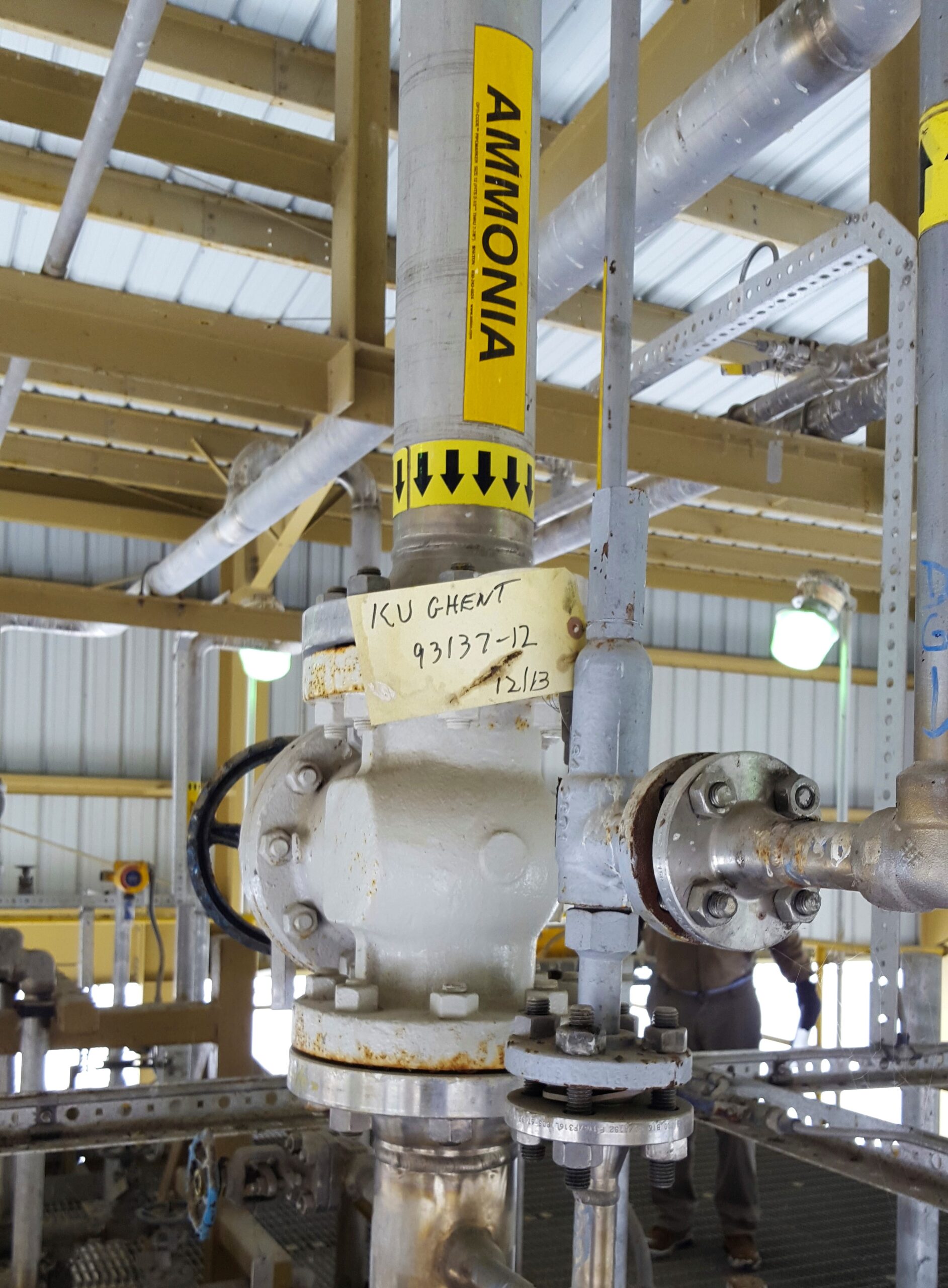
Common Applications & Scenarios
VITOK delivers pressure relief system design and consulting for:
- Atmospheric, low-pressure, and high-pressure storage tanks (including tank pressure ratings and fitness-for-service)
- Process vessels and reactors
- Piping systems with multiple relief points
- Special cases involving combustible dust, vacuum protection, or unique process chemistries
- Integration with safety instrumented systems (SIS) and high-integrity protective systems (HIPS)
- Management of Change (MOC) reviews, expansions, and facility upgrades
- Preparation for PSM and third-party audits
Frequently Asked Questions
Q: What is Maximum Allowable Working Pressure (MAWP)
A: The MAWP is the highest pressure that a vessel, piping system, or piece of equipment is designed to safely contain at its designated operating temperature. It is established by design codes such as ASME Section VIII for pressure vessels.
Basis:
Determined by the weakest point in the pressure boundary (e.g., a flange, nozzle, or weld joint), taking into account:
-
Material strength at design temperature
-
Corrosion allowance
-
Manufacturing tolerances
-
Joint efficiency
-
Static head of fluid
Q: How do you determine pressure relief valve sizing?
A:
Proper sizing ensures the valve can relieve the full rate of overpressure without the vessel exceeding its allowable accumulation.
Sizing is based on:
-
Type of overpressure scenario: blocked discharge, fire exposure, thermal expansion, or control valve failure.
-
Flow rate to be relieved: determined from the worst credible case.
-
Fluid characteristics: gas, vapor, liquid, or two-phase flow.
-
Relief conditions: pressure, temperature, compressibility, backpressure, and discharge piping design.
Key equations (from API 520 / API 521) determine orifice area using:
where:
- = required discharge area
- = mass flow rate
- ,
-
= relieving pressure (set pressure + accumulation)
Q: What are the relevant regulatory agencies that monitor pressure relief systems?
OSHA (Occupational Safety and Health Administration)
The Occupational Safety and Health Administration governs pressure relief systems primarily through its
Process Safety Management (PSM) standard —29 CFR 1910.119. This rule requires facilities handling highly hazardous chemicals to identify, design, and maintain pressure relief systems according to recognized and generally accepted good engineering practices (RAGAGEP). OSHA does not prescribe exact design equations but enforces compliance through documentation, inspection, and process hazard analyses. Pressure relief devices must be properly sized, tested, and maintained as part of each facility’s mechanical integrity and safe operating system. PSM applies broadly across chemical manufacturing, refining, and industrial process operations that exceed threshold chemical quantities.
API (American Petroleum Institute)
The American Petroleum Institute publishes the most widely used technical standards for designing, sizing, and installing pressure relief devices. The foundational codes are API 520 (sizing, selection, and installation), API 521 (pressure-relieving and depressuring systems), and API 526/527 (valve dimensions and seat tightness testing). These standards define calculation methods for valve orifice area, allowable accumulation, and considerations for fire and blocked outlet scenarios. API codes are considered industry RAGAGEP under OSHA PSM and are most applicable to refining, petrochemical, gas processing, and oil & gas facilities.
ASME (American Society of Mechanical Engineers)
The ASME Boiler and Pressure Vessel Code, particularly Section VIII, Division 1, establishes the mandatory design rules for pressure vessels, including requirements for overpressure protection and maximum allowable working pressure (MAWP). Related standards such as ASME B31.3 address process piping systems, ensuring each has relief provisions that prevent exceeding the MAWP.
These codes form the legal basis for vessel fabrication and certification throughout the United States and are often incorporated into
state boiler and pressure vessel laws. ASME standards apply broadly across chemical plants, manufacturing, energy, and industrial facilities where pressurized systems are present.
NFPA (National Fire Protection Association)
NFPA develops fire and explosion prevention codes that directly impact pressure relief system design, particularly in environments storing or processing flammable materials. NFPA 30 (Flammable and Combustible Liquids Code) and NFPA 58 (Liquefied Petroleum Gas Code) require emergency venting and relief devices for tanks and containers exposed to fire or overpressure. These standards guide relief sizing for fire scenarios and specify the types of vents suitable for flammable or combustible service. NFPA codes are most relevant to storage terminals, fuel distribution facilities, chemical warehouses, and process plants with combustible inventories.
Regional and Company-Specific Frameworks
Beyond national codes, state Departments of Environmental Quality (DEQ) and Departments of Natural Resources (DNR) may regulate secondary containment or emissions from pressure relief discharges, especially when the release involves hazardous substances. Companies also adopt their own internal engineering standards—based on API, ASME, and NFPA—defining relief valve inspection intervals, sizing methodologies, and materials of construction. These internal standards serve as RAGAGEP under OSHA PSM and form part of each facility’s pressure protection philosophy.
Ready for Safer, More Reliable Operations? Contact VITOK
Pressure relief is fundamental—not optional. Whether you’re designing a new process, responding to compliance gaps, or ensuring your existing systems are up to date with the latest standards, VITOK Engineering brings clarity, confidence, and industry-leading expertise.
Let’s safeguard your operation and keep you audit-ready.
Contact us today to discuss your pressure relief system needs or to request a consultation.